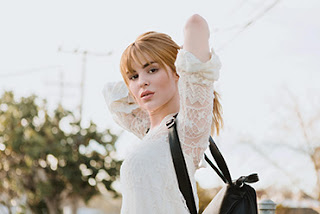
Dresses are easily one of the most versatile pieces in any closet. Depending on the cut, fabric, and styling, a dress can take you from a casual Sunday brunch straight into a high-powered boardroom.
Here is everything you need to know about navigating dress codes, quality, and current styles!
Navigating Work & Professional Dress Codes
1. Are dresses appropriate for work?
Yes, absolutely! Dresses are a staple for workplace attire. The key is choosing the right style, length, and neckline for your specific office culture.
2. Are dresses business casual?
Yes. Midi dresses, shirt dresses, wrap dresses, and simple knee-length styles are perfect for business casual environments. You can pair them with flats, loafers, or modest heels.
3. Are dresses business professional & business attire?
Yes. Tailored sheath dresses, structured shift dresses, and high-neck midi dresses in neutral tones (navy, black, grey, beige) are standard business professional attire. Pairing them with a blazer completes the look.
4. Are dresses appropriate for an interview?
Yes, definitely. A conservative, knee-length or midi dress in a neutral color creates a polished and memorable first impression. Avoid overly bright patterns or low necklines.
5. Are dresses appropriate for court?
Yes, but err on the side of extreme modesty. For court appearances, choose a dark-colored, structured dress that hits below the knee with high coverage at the neckline and shoulders. Pairing it with a tailored blazer is highly recommended.
Exploring Dress Styles & Formality
6. Are dresses casual?
Yes. T-shirt dresses, sundresses, sweater dresses, and denim dresses are all quintessential casual wear for effortless day-to-day outfits.
7. Are dresses smart casual?
Yes. Smart casual is where dresses truly shine. A linen midi dress, a belted shirt dress, or a ribbed knit dress paired with chic accessories fits the smart casual dress code seamlessly.
8. Are dresses formal?
Yes. Floor-length gowns, cocktail dresses, satin slip dresses, and embellished midi dresses are standard choices for formal events like galas, weddings, and black-tie affairs.
Quality, Gender, & Fashion Trends
9. Are dresses from Shein good quality?
It's hit-or-miss. Shein offers budget-friendly fast fashion, but the quality varies:
Pros: Highly affordable, huge variety, great for trying out short-lived micro-trends.
Cons: Thin or synthetic fabrics (polyester/polyamide), inconsistent sizing, and lower durability over time. Checking customer reviews and photo uploads before buying is key.
10. Are dresses feminine?
Traditionally, yes. Dresses have long been associated with traditional women's fashion and soft, feminine aesthetics. However, modern styling—like adding edgy leather jackets, combat boots, or oversized blazers—can completely transform that vibe.
11. Are dresses unisex?
Yes. Fashion is increasingly gender-fluid. Designers and street-style icons regularly feature unisex tunics, shirt-dresses, and gender-inclusive silhouettes. Historically and across many cultures, long flowing garments have been worn by people of all genders.
12. Are dresses and sneakers in style?
100% yes! Combining a midi, maxi, or slip dress with retro runners, low-profile leather sneakers, or sleek ballet sneakers is one of the most popular street-style looks. It effortlessly blends comfort with high fashion.
13. Are dresses in style in 2026?
Absolutely. Dresses remain at the center of modern fashion. Trending elements include:
Tuxedo & Tailored Shirt Dresses: Sharp, menswear-inspired silhouettes.
Bold Colors & Prints: Fiery reds, polka dots, and romantic lace overlays.
Retro & Drop-Waist Cuts: Vintage-inspired silhouettes mixed with modern minimal footwear.